Indian cuisine is renowned worldwide for its rich tapestry of flavors, spices, and culinary traditions. At the heart of this diverse culinary landscape is vegetarianism, deeply rooted in India’s cultural and religious fabric. The idea of vegetarianism in India goes beyond mere dietary preference; it’s a way of life that encompasses a myriad of flavors, textures, and cooking techniques. In this article, we will delve into the vibrant world of Indian vegetarian cuisine, exploring the nuances of flavor, the use of spices like “Meat Masala” and “Sabji Masala,” and celebrating the diversity that makes it truly unique.
The Essence of Indian Vegetarian Cuisine
Indian vegetarian cuisine is not just about skipping meat; it’s a celebration of vegetables, legumes, grains, and spices. From the North to the South, from the East to the West, each region boasts its own distinctive vegetarian dishes, each with its own set of ingredients and preparation methods. The remarkable diversity of Indian vegetarian cuisine stems from the country’s geographical and cultural variations.
Spices: The Heart and Soul
Spices are the soul of Indian cooking, and they transform ordinary ingredients into extraordinary dishes. “Meat Masala” and “Sabji Masala” are two spice blends that add depth and complexity to vegetarian dishes.
- Meat Masala: Contrary to its name, Meat Masala is a versatile spice blend that can be used to enhance the flavors of vegetarian dishes. It typically contains a mix of spices like cumin, coriander, cloves, cardamom, and cinnamon. When used in vegetarian cooking, it infuses a robust and aromatic profile into dishes like paneer tikka or mixed vegetable curry.
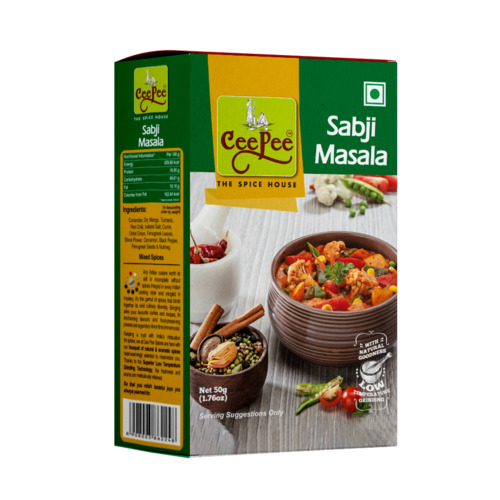
- Sabji Masala: Sabji Masala, on the other hand, is tailor-made for vegetarian preparations. It is a blend of spices specifically curated to accentuate the flavors of vegetables. Common ingredients include cumin, fennel, mustard seeds, and asafoetida. Sabji Masala elevates the taste of stir-fried vegetables, stuffed parathas, and lentil-based dishes.
Regional Vegetarian Delights
North India: In the northern part of India, you’ll find a rich array of vegetarian specialties. Dishes like Chole Bhature, Rajma Chawal, and Dum Aloo showcase the culinary prowess of this region. The use of “Meat Masala” in these dishes adds a smoky, earthy flavor that balances the heat from the spices.
South India: South Indian cuisine is known for its dosas, idlis, and sambar. These dishes are typically seasoned with “Sabji Masala,” which imparts a unique tanginess and depth to the lentil-based sambar and coconut-infused chutneys.
East India: Bengali cuisine, a gem in the eastern culinary treasure trove, features dishes like Aloo Posto and Shorshe Ilish, both of which incorporate a range of spices, including “Sabji Masala,” to create a symphony of flavors.
West India: The western states of India offer a delightful spread of vegetarian street food, from Vada Pav to Dhokla. The zesty, spicy undertones of “Meat Masala” are often used in these snacks to tantalize the taste buds.
Vegetarian Health Benefits
Indian vegetarian cuisine is not just a delight for the palate; it also brings numerous health benefits. A plant-based diet rich in vegetables, legumes, and grains provides essential nutrients, dietary fiber, and antioxidants that promote overall well-being. The avoidance of meat reduces the risk of certain chronic diseases and contributes to a lower carbon footprint.
Meatless Mondays: Embracing Indian vegetarian cuisine even once a week, on “Meatless Mondays” for example, can have a positive impact on your health and the environment. It’s a small step that can lead to a healthier lifestyle while reducing your carbon footprint.
The Spiritual Connection
In India, vegetarianism is deeply entwined with spirituality and religion. Many Indians, especially Hindus, observe vegetarianism as a way to show respect for all living creatures. This belief stems from the principle of ahimsa, or non-violence, which Mahatma Gandhi famously championed. By choosing vegetarianism, individuals align their dietary choices with their spiritual values.
Modern Innovations in Indian Vegetarian Cuisine
As Indian cuisine continues to evolve, innovative chefs are reinventing classic vegetarian dishes. Fusion cuisines that blend traditional recipes with modern cooking techniques are gaining popularity. You’ll find dishes like Tandoori Pizza, Paneer Tacos, and Masala Pasta gracing menus, marrying global flavors with Indian spices like “Meat Masala” and “Sabji Masala.”
Conclusion
Indian vegetarian cuisine is a world of flavors waiting to be explored. It’s a celebration of diversity, culture, and culinary artistry. With spices like “Meat Masala” and “Sabji Masala” at its heart, Indian vegetarian cuisine takes ordinary ingredients and transforms them into extraordinary culinary experiences. Whether you’re a lifelong vegetarian or an occasional plant-based eater, there’s no denying the magic that happens when you embrace the rich tapestry of Indian vegetarian vibes. So, go ahead, savor the flavors, and let the diverse world of Indian vegetarian cuisine take you on a delicious journey like no other.