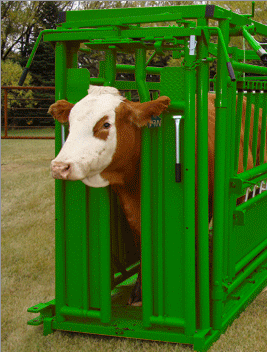
For ranchers, efficient and safe livestock handling is the backbone of a successful operation. At the heart of this process lies a critical piece of equipment: cattle head gates. Whether you’re managing a large herd or a small-scale operation, the right head gate can make all the difference in terms of safety, animal welfare, and productivity.
In this guide, we’ll explore what makes a great cattle head gate, how it integrates with hydraulic cattle chutes or manual squeeze chutes, and why choosing the right equipment can transform your livestock-handling system.
Why Cattle Head Gates Are More Important Than You Think
At first glance, a cattle head gate might look like a simple mechanism. But in reality, it’s one of the most vital parts of your chute system. Its primary role? Secure the animal’s head safely while you perform tasks such as:
• Vaccinations
• Dehorning
• Ear tagging
• Health checks
Without a secure head gate, animals can move unexpectedly, risking injury to both the handler and the livestock.
Hydraulic vs. Manual: Which Head Gate Is Right for You?
Choosing between hydraulic cattle chutes and manual squeeze chutes often comes down to operation size, budget, and handling preferences.
Hydraulic Head Gates
• Pros: Smooth operation, less physical effort, faster processing times
• Cons: Higher initial investment, requires power source
• Best For: Large operations that handle high cattle volumes and prioritize efficiency
Manual Head Gates
• Pros: More affordable, no electricity or hydraulics needed, portable options available
• Cons: Requires more physical strength, slightly slower operation
• Best For: Smaller ranches or operations with occasional cattle handling needs
Key Features to Look for in Cattle Head Gates
When you’re investing in cattle head gates, here are the top factors to consider:
1. Adjustability
Look for gates with adjustable width to accommodate different cattle sizes without causing discomfort.
2. Quiet Operation
Sudden loud noises can spook cattle. Opt for gates designed to operate smoothly and quietly.
3. Safety Locks
Automatic or spring-loaded locks keep the gate in place, preventing accidental opening during handling.
4. Durable Materials
Heavy-duty steel frames resist bending and wear from frequent use.
How Head Gates Fit Into Your Overall Handling System
The head gate is only one piece of your livestock-handling puzzle. Ideally, it should work seamlessly with the rest of your equipment, whether that’s a full hydraulic cattle chute or a reliable manual squeeze chute.
For example:
• Hydraulic cattle chutes allow you to operate the head gate, side panels, and tail gate with minimal effort, ideal for high-volume handling.
• Manual squeeze chutes pair well with adjustable head gates for flexible, low-maintenance cattle management.
Cross-Operation Benefits for Mixed Livestock Ranches
If your ranch also handles horses, integrating your cattle systems with other barn essentials—like horse stall feeders—can help improve workflow. While cattle head gates are designed specifically for bovines, having an organized, well-equipped facility keeps all animal handling efficient and stress-free.
Tips for Getting the Most Out of Your Cattle Head Gate
To maximize performance and longevity:
• Regularly lubricate moving parts to prevent sticking or jamming
• Inspect welds and frames for any damage from heavy use
• Train staff on proper operation to minimize animal stress
• Pair with a safe flooring system to reduce slipping and injury risk
Common Mistakes to Avoid When Buying Cattle Head Gates
Even experienced ranchers can make costly mistakes when purchasing head gates. Watch out for:
• Choosing size over fit – A bigger gate isn’t always better if it doesn’t adjust well to your cattle’s size range.
• Overlooking maintenance needs – Some gates require more upkeep than others.
• Ignoring noise factor – Loud metal-on-metal contact can increase cattle stress levels.
The Long-Term Value of a Quality Head Gate
While it might be tempting to go for the lowest-cost option, remember that head gates are long-term investments. A high-quality gate, whether hydraulic or manual, will:
• Reduce handling time
• Improve safety for both handlers and cattle
• Lower the risk of animal injury
• Boost efficiency during busy seasons
Conclusion
Selecting the best cattle head gates for your ranch is about more than just picking a piece of equipment—it’s about investing in safety, efficiency, and animal welfare.
If you run a large-scale operation, pairing your head gate with hydraulic cattle chutes may be the right move for maximum speed and minimal labor. For smaller ranches, manual squeeze chutes with adjustable, quiet head gates offer an affordable and effective solution. And if your ranch also supports horses, keeping systems like horse stall feeders organized alongside your cattle setup can streamline your daily routines.
In the end, the right head gate ensures smoother operations, healthier animals, and a safer working environment—making it one of the smartest investments any rancher can make. modular horse shelters