The Manaslu Circuit Trek and Tsum Valley Trek sit in Nepal’s remote corners. They offer stunning mountain views without the crowds. These treks wind through ancient villages where life moves slowly. You’ll cross high passes and walk beside prayer wheels that have spun for centuries. The Manaslu region remains one of Asia’s most peaceful trekking zones.
Most trekkers flock to Everest or Annapurna. But smart adventurers head to Manaslu. Here’s why these two routes deserve your attention.
Understanding the Manaslu Circuit Trek
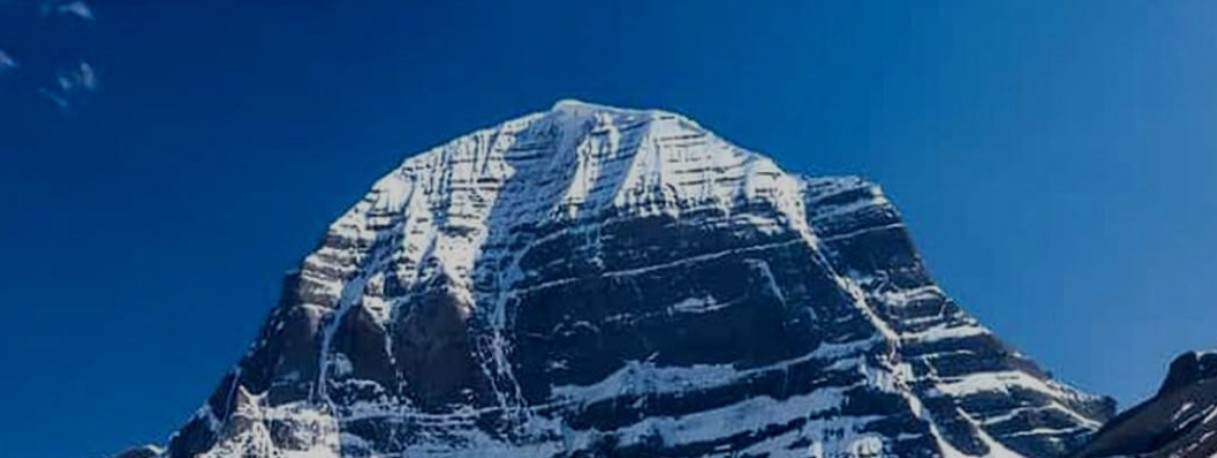
The Manaslu Circuit wraps around the world’s eighth-highest mountain. Mount Manaslu stands at 8,163 meters. The trek takes 14 to 18 days depending on your pace.
You start from Soti Khola, a small village with tea houses and local shops. The trail follows the Budhi Gandaki River through subtropical forests. Bamboo groves give way to rhododendron trees as you climb higher. Small villages appear every few hours along the path.
The route crosses the Larkya La Pass at 5,160 meters. This is the trek’s highest point. The pass opens to massive mountain views in every direction. Himlung Himal, Cheo Himal, and Kang Guru fill the skyline. The descent brings you to Bimthang, a gorgeous meadow surrounded by peaks.
Local Tibetan culture runs deep here. Prayer flags snap in the wind. Monks chant in ancient monasteries. You’ll drink butter tea with families who have lived here for generations. The culture feels authentic because tourism hasn’t changed it much yet.
Himalayan Ecological Trekking P. Ltd has guided groups through this circuit for years. They know the best tea houses and the safest routes through changing weather. Their guides grew up in these mountains.
Exploring the Sacred Tsum Valley Trek
Tsum Valley branches off from the Manaslu Circuit. It’s a hidden valley that was closed to outsiders until 2008. The trek takes 10 to 12 days from start to finish.
This valley is sacred to Buddhists. The word “Tsum” comes from Tibetan and means “vivid.” Locals practice an ancient form of Buddhism here. They don’t hunt or fish because they believe in protecting all life.
The trail enters through Lokpa and climbs to villages like Chhokangparo and Nile. These settlements sit on hillsides with stone houses built centuries ago. Monastery walls display paintings that tell Buddhist stories. Old chortens line the paths.
You’ll see the Ganesh Himal range from multiple angles. The valley’s remoteness keeps visitor numbers low. Some days you might walk for hours without seeing another trekker. The silence broken only by river sounds and bird calls.
People here still practice polyandry, where one woman marries multiple brothers. This tradition keeps family land together. Locals welcome trekkers with genuine warmth. They serve you dal bhat and share stories about their valley.
Why Choose These Treks Over Popular Routes
Everest Base Camp gets thousands of trekkers every season. The trails feel crowded. Tea houses fill up fast. You stand in line for bathrooms.
The Manaslu region offers something different. You might share a tea house with just one or two other groups. Trails stay quiet. You actually hear the mountains.
The permit system limits trekker numbers. The Nepalese government requires special permits for both routes. This keeps crowds down on purpose. The policy protects the environment and local culture.
Himalayan Ecological Trekking P. Ltd specializes in these less-traveled paths. They support eco-friendly tourism and work directly with local communities. Their profits help maintain trails and support village schools.
Both treks skip the commercial feel of busier routes. Nobody’s selling you the same mass-produced souvenirs. Villages haven’t turned into mini shopping malls. The experience feels real.
Physical Demands and Preparation Needs
Both treks require good fitness. You’ll walk six to seven hours most days. Some days push to eight hours when crossing passes.
The Manaslu Circuit Trek challenges you more. The Larkya La Pass demands proper acclimatization. Altitude sickness hits unprepared trekkers. You need to climb slowly and drink lots of water.
Tsum Valley sits at moderate elevations. The highest point reaches about 3,700 meters. This makes it slightly easier than the full circuit. But the trail still has steep sections and long days.
Training helps a lot. Walk for two hours daily in the months before your trek. Add a weighted backpack to build strength. Climb stairs or hills when possible. Your lungs need to work efficiently at altitude.
Winter brings extreme cold and closed passes. Monsoon season from June to August dumps heavy rain. Spring and autumn give the best conditions. March to May shows blooming flowers. September to November offers clear skies and stable weather.
Permits and Regulations You Need
The Manaslu region requires three permits. First comes the Manaslu Restricted Area Permit. This costs more during peak seasons. Second is the Manaslu Conservation Area Permit. Third covers the Annapurna Conservation Area if you exit through that region.
Tsum Valley needs two permits. The Tsum Valley Restricted Area Permit is mandatory. You also need the Manaslu Conservation Area Permit since you pass through that zone.
You cannot trek solo here. The government requires groups of at least two trekkers with a registered guide. This rule helps ensure safety and supports local guides.
Himalayan Ecological Trekking P. Ltd handles all permit paperwork. They know the current fees and requirements. Their team files everything correctly so you don’t face delays. The company was founded to promote sustainable trekking while supporting mountain communities. They employ local guides and porters exclusively.
Accommodation and Food Expectations
Tea houses provide basic rooms along both routes. You get a bed with blankets. Shared bathrooms are standard. Hot showers cost extra and use solar or gas heating.
Rooms stay cold at night. Bring a good sleeping bag rated for low temperatures. Tea house blankets help but aren’t always enough.
The food is simple but filling. Dal bhat appears on every menu. This rice and lentil dish gives you energy for long walking days. You’ll also find noodle soup, fried rice, and Tibetan bread. Some places serve momos, which are steamed dumplings.
Higher elevations have fewer food choices. The menu shrinks to basics. Fresh vegetables become rare. Tea houses stock what porters carry up from lower villages.
Bottled water creates plastic waste. Bring purification tablets or a filter. Most tea houses sell boiled water that you can treat. This saves money and helps the environment.
Cultural Experiences Along the Way
Both treks immerse you in Tibetan Buddhist culture. Monasteries welcome visitors. Monks explain their daily routines and beliefs. You can attend morning prayers if you wake early.
Prayer wheels line the paths. Spin them clockwise as you pass. Locals believe this spreads good energy. The wheels contain written mantras.
Villages celebrate festivals based on the lunar calendar. If your timing works, you might see masked dances and ceremonies. These events bring whole communities together.
People practice traditional crafts. Women weave cloth on wooden looms. Men carve mani stones with Buddhist prayers. You can buy handicrafts directly from makers.
The language barrier exists but smiles translate everywhere. Locals appreciate when you learn basic Nepali phrases. “Namaste” for hello and “dhanyabad” for thank you go a long way.
Safety and Health Considerations
Altitude affects everyone differently. Headaches and nausea signal mild altitude sickness. If symptoms worsen, descend immediately. Don’t push through serious warning signs.
Carry a basic first aid kit. Include pain relievers, blister treatment, and stomach medicine. Diarrhea hits many trekkers. Water purification helps prevent it.
Weather changes fast in the mountains. Morning sunshine can turn to afternoon snow. Pack layers you can add or remove. A waterproof jacket is essential.
Cell phone coverage is spotty. Some villages have satellite phones for emergencies. Let family know you’ll be out of contact for days at a time.
Travel insurance should cover helicopter evacuation. Medical emergencies at high altitude sometimes require air rescue. Regular health insurance doesn’t cover this.
The Honest Verdict
The Manaslu Circuit Trek delivers adventure and spectacular scenery. It tests your physical limits. The Larkya La Pass crossing stays with you forever. This trek suits people who want a challenge and can handle altitude.
Tsum Valley Trek offers culture and tranquility. The sacred valley feels like stepping back in time. This route works for trekkers who prefer moderate difficulty with deep cultural experiences.
Both treks reward you with authentic Himalayan experiences. You won’t find the same commercialization that affects popular routes. The remoteness is part of the appeal.
These aren’t easy vacations. They demand fitness, flexibility, and respect for mountain conditions. But if you want to see Nepal beyond the postcards, these trails deliver.
Working with experienced operators makes everything smoother. You can visit https://www.himalayanecologicaltrek.com/ to learn more about organized trips with proper support and local knowledge.
The mountains wait. These hidden trails show you why Nepal captures hearts.