
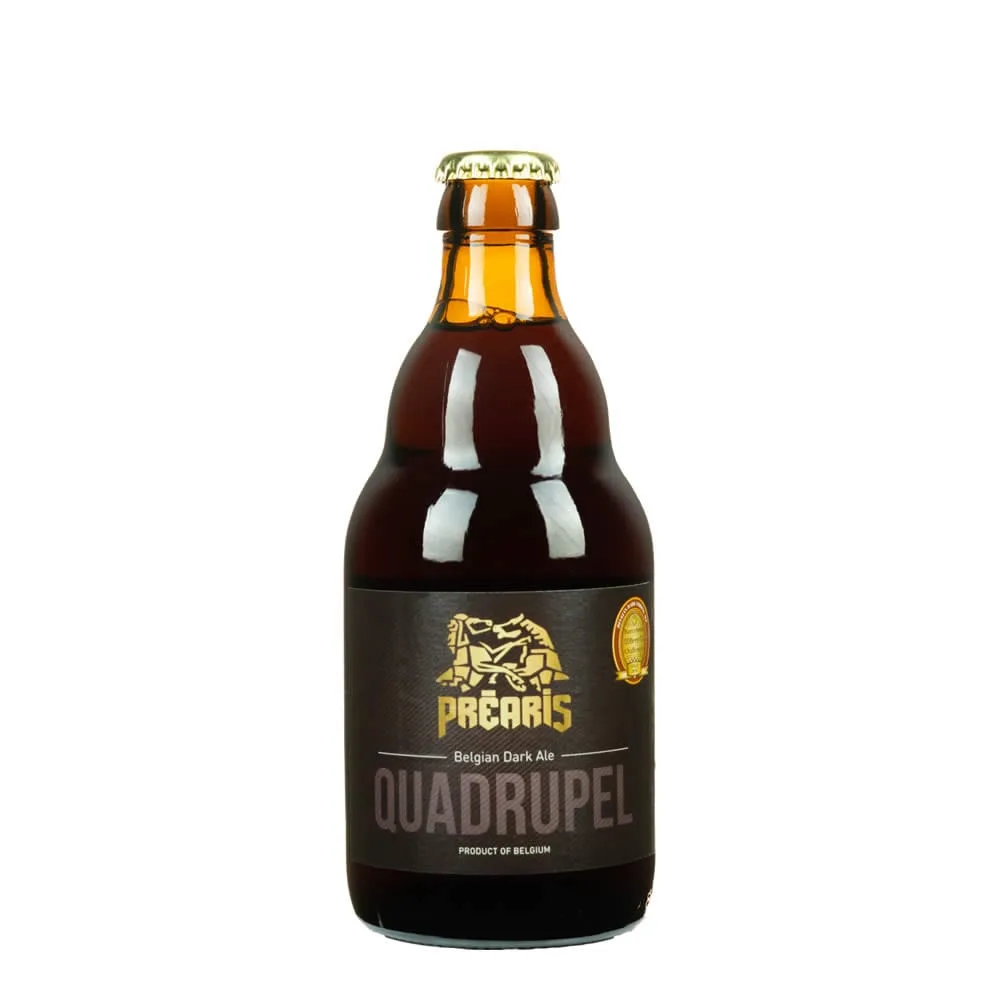
The rise of cervezas artesanales and imported cervezas alemanas has transformed the beverage landscape in Mexico. Restaurants, cafés, pizzerias, bars, and boutique liquor stores are now competing to offer unique flavors, authentic experiences, and premium beverage options.
According to recent market reports, the craft beer sector in Mexico has grown over 15% annually, with imported beers like German pilsners and hefeweizens gaining popularity among young consumers and craft enthusiasts alike. But navigating this evolving market isn’t always easy. Many businesses make costly mistakes when selecting, purchasing, and managing their beer inventory—especially when dealing with cervezas artesanales mistakes that can reduce profit margins, hurt customer satisfaction, and damage brand credibility.
This guide combines practical strategies with emerging trends to help your business maximize profits, delight customers, and elevate your beer program with high-quality cervezas artesanales that stand out in today’s competitive market.
Common Mistakes Businesses Make When Buying Craft Beer—and How to Avoid Them
Mistake #1 – Buying Based on Personal Taste
Many owners choose beers they personally enjoy, rather than selecting options that match customer preferences.
Problems:
- High-end beers may be too niche or bitter for the clientele
- Unsold inventory leads to losses
- Repeat visits decline
Real-World Example: A small bar in Guadalajara stocked only imperial stouts because the owner loved dark beers. Most customers preferred lighter options, leading to slow sales and wasted stock.
Solutions:
- Analyze your customer demographics and drinking habits
- Offer a balanced lineup: IPAs, lagers artesanales, stouts, amber ales, wheat beers
- Track sales patterns and adjust stock accordingly
Mistake #2 – Purchasing Individual Bottles Instead of Wholesale
Buying small quantities may seem convenient but increases costs and reduces margins.
Problems:
- Higher per-bottle cost (up to 30% more than wholesale)
- Supply shortages during busy periods
- Inconsistent inventory affects customer experience
Solution: Purchase craft beer at wholesale (cervezas por mayoreo) through a reliable distribuidor de cervezas. This ensures:
- Stable pricing
- Logistics support and delivery
- Access to new and seasonal releases
Mistake #3 – Offering Too Many Similar Styles
Stocking five pale ales and no stouts overwhelms customers and reduces sales potential.
Solution: Build a balanced craft beer menu:
- Hoppy profiles – IPAs, American pale ales
- Malt-forward options – amber ales, brown ales
- Dark beers – stouts, porters
- Refreshing beers – lagers artesanales, wheat beers
- Specialty imports – cervezas alemanas, belgas, mexicanas
Balanced menus encourage exploration and repeat visits. Seasonal rotations (e.g., winter stouts, summer wheat beers) can keep offerings exciting.
Mistake #4 – Ignoring Storage Requirements
Craft beers are sensitive to:
- Temperature
- Light exposure
- Oxygenation
- Transport conditions
Poor handling leads to:
- Flat carbonation
- Off flavors or spoilage
- Damaged brand perception
Solution: Partner with a specialized distribuidor de cervezas who handles artisan products professionally. Proper logistics ensure beer arrives fresh and maintains its intended flavor profile.
Mistake #5 – Forgetting Staff Training
Even the best beer selection fails if your staff cannot:
- Recommend beers confidently
- Explain styles and ingredients
- Suggest food pairings
Pro Tip: Hold monthly tasting sessions to keep staff updated on new arrivals and seasonal beers. Well-trained staff can turn curiosity into conversion, boosting sales by 15–20%.
Mistake #6 – Not Integrating Pairing Strategy
Craft beer thrives when paired with food. Examples include:
- IPAs → spicy tacos, pepperoni pizzas
- Amber ales → smoked or grilled dishes
- Stouts → chocolate desserts
- Lagers artesanales → salads or lighter plates
Pairing increases both customer satisfaction and revenue, as customers often order multiple drinks to match different courses.
Mistake #7 – No Rotation or Limited Editions
Menus that never change discourage repeat visits.
Solutions:
- Rotate styles seasonally (spring wheat beers, winter stouts)
- Introduce limited editions or tasting flights
- Advertise new arrivals on social media
Limited availability creates excitement and drives urgency, encouraging customers to return frequently.
Mistake #8 – Working With the Wrong Supplier
A poor supplier can cause:
- Inconsistent inventory
- Expired products
- Delivery issues
- Limited access to specialty beers
Choose a professional wholesale partner like Cervezas Mayoreo for reliability, curated catalogs, and national shipping.
Mistake #9 – Failing to Educate the Customer
Educated customers become loyal ambassadors. Teach them:
- Beer stories and origins
- Flavor profiles
- Food pairing suggestions
Example: Feature a “Beer of the Month” highlighting a German Hefeweizen, its history, and suggested pairings.
Mistake #10 – Treating Craft Beer as a Trend
Craft beer is no fad—it’s a permanent shift toward:
- Premiumization
- Experimentation
- Gastronomy
Businesses that strategize around it gain a competitive edge.
Why German Beers Are Trending in Mexican Restaurants
Customers Want Variety
German beers cervezas alemanas offer centuries-old brewing traditions, clean flavors, and approachable styles. They complement craft beer menus perfectly.
High Quality and Consistency
German breweries adhere to strict standards, ensuring reliable flavor—reducing complaints and enhancing experiences.
Perfect Pairing With Mexican Cuisine
- Hefeweizen → tacos al pastor or shrimp dishes
- Dunkel → mole poblano or barbacoa
- Pilsner → spicy salsas
- Bock → grilled meats
Storytelling and Authenticity
Highlighting German beer origins adds cultural depth to your menu, increasing engagement and social sharing potential.
Top German Beer Styles for Mexican Menus
- Pilsner: Light, crisp; pairs with spicy foods
- Hefeweizen: Fruity, smooth; complements seafood or lighter plates
- Dunkel: Malty, dark; ideal for hearty meat dishes
- Märzen/Oktoberfest: Rich, festive; perfect for seasonal promotions
- Bock: Full-bodied; pairs with roasted or grilled meats
How Cervezas Artesanales and Alemanas Can Boost Profitability
A mix of cervezas artesanales, cervezas mexicanas, cervezas belgas, and cervezas alemanas attracts a wider audience, increases pricing flexibility, and boosts average order value. Offering a diverse beer selection allows restaurants and bars to cater to varying tastes—from locals who prefer familiar Mexican flavors, to tourists or craft enthusiasts seeking international options.
Seasonal rotations, limited editions, and tasting flights encourage repeat visits while creating opportunities for upselling higher-margin products. Additionally, pairing these beers with complementary menu items increases overall sales per table. Highlighting the story behind each beer—its origin, brewing method, and flavor profile—fosters customer engagement, builds brand loyalty, and positions your establishment as a premium destination for beer lovers.
FAQs
Q1: Are German beers difficult to store or serve?
No; standard refrigeration and serving temperatures are sufficient.
Q2: Will customers like German beer?
Yes; younger adults and craft beer fans often enjoy trying imported beers.
Q3: Should I replace Mexican beers?
No; add German styles alongside cervezas mexicanas or artesanales.
Q4: Do staff need special training?
Just basic orientation on beer styles and pairings is enough.
Q5: Will German beers sell consistently?
If paired strategically and promoted, they can become menu staples.
Q6: How many German beers should I start with?
Start with 3–5 core styles to avoid overwhelming customers.
Q7: Can German beer enhance seasonal events?
Yes; Oktoberfest or tasting flights can boost revenue and engagement.
Actionable Blueprint for Success
- Define Customer Demographics: Understand your diners’ preferences and purchasing behavior.
- Build a Balanced Portfolio: Include craft beer, cervezas alemanas, and imported options.
- Purchase Wholesale: Partner with a trusted distribuidor de cervezas for cost-effective, reliable supply.
- Train Staff: Regular tasting sessions and pairing education improve conversion rates.
- Rotate Seasonal and Specialty Offerings: Keep the menu exciting year-round.
- Promote New Arrivals: Social media, email newsletters, and in-house signage create awareness.
- Highlight Stories and Pairings: Educate customers and enhance their experience.
- Monitor Sales Data: Track top-selling beers and adjust offerings regularly.
- Encourage Feedback: Customer opinions help refine your menu and service.
Conclusion
Offering cervezas artesanales and cervezas alemanas is more than selling beer—it’s a strategic opportunity to:
- Differentiate your brand
- Increase revenue
- Delight customers
Businesses that avoid common mistakes, invest in staff training, rotate their menu, and embrace the story behind each beer will build a loyal following and establish themselves as destinations for craft and imported beer lovers.
Craft beer isn’t just a product—it’s a business strategy. Those who implement it correctly don’t just sell beverages—they create memorable experiences that keep customers coming back.
