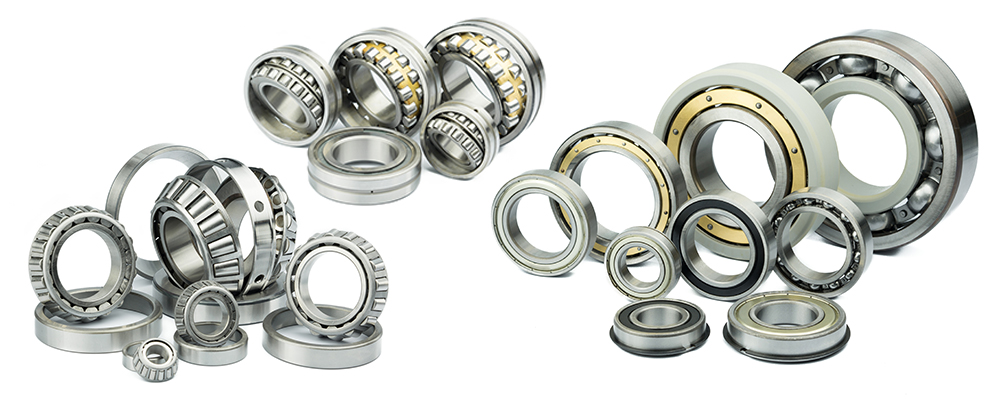
In the world of industrial engineering and machinery, efficiency and precision are everything. Whether it is a high-speed manufacturing system or a heavy-duty industrial machine, smooth movement of mechanical components is essential. One small but incredibly powerful component that makes this possible is the Ball bearing. Though often overlooked, ball bearings play a crucial role in reducing friction, supporting loads, and ensuring machinery runs smoothly and reliably.
From advanced robotics to hydraulic systems, ball bearings are at the heart of countless applications across industries.
What Is a Ball Bearing?
A Ball bearing is a type of rolling-element bearing that uses small metal balls placed between two circular tracks known as races. These balls rotate to reduce friction between moving parts while supporting radial and axial loads. By minimizing direct contact between surfaces, ball bearings significantly improve efficiency and extend the lifespan of machines.
Compared to sliding friction, rolling friction produced by ball bearings requires far less energy. This is why they are commonly used in high-speed equipment, automotive components, and industrial automation systems.
How Ball Bearings Improve Machinery Performance
Ball bearings are designed to provide three primary benefits: reduced friction, improved motion, and increased durability.
When machinery operates at high speeds, friction between moving components can generate excessive heat and wear. A well-designed Ball bearing minimizes this issue by allowing smooth rotation between parts. This is especially important in equipment such as a Hydraulic Pump, where constant motion and pressure demand reliable mechanical support.
In addition, ball bearings ensure consistent alignment in systems that rely on precision movement. For instance, equipment that uses a Linear Guide system often integrates ball bearings to maintain smooth linear motion without vibration or resistance.
Ball Bearings vs. Roller Bearings
While ball bearings are widely used, they are not the only type of bearing available. Another common type is the Roller Bearing. The main difference lies in the rolling element shape.
Ball bearings use spherical balls, which create minimal contact area with the raceway. This makes them ideal for high-speed applications with moderate loads.
On the other hand, a Roller Bearing uses cylindrical rollers that provide a larger contact surface. This allows them to support heavier loads but usually at lower speeds compared to ball bearings.
Choosing between these bearing types depends on the machine’s load capacity, speed requirements, and operational environment.
Role of Ball Bearings in Modern Automation
Automation has transformed industries, and ball bearings have become essential components in advanced machinery. In automated production environments, Cobots—collaborative robots designed to work alongside humans—depend heavily on precision mechanical parts.
Ball bearings allow cobots to move smoothly and accurately while maintaining stability during repetitive tasks. Without these bearings, robotic arms would experience increased friction and wear, leading to reduced performance and higher maintenance costs.
Similarly, industrial systems that rely on Pneumatic Valves for airflow control also benefit from ball bearings. These components help ensure precise movement within the valve mechanism, enabling consistent and efficient operation.
Maintenance and Longevity
Even the most durable ball bearings require proper maintenance to function effectively. Contamination, poor lubrication, and excessive loads can reduce bearing lifespan.
Regular cleaning is an important part of maintenance. Industrial technicians often use a Degreaser to remove accumulated grease, dirt, and debris from bearing surfaces before applying fresh lubrication.
Another important maintenance step is sealing. Using a high-quality Gasket Sealer helps prevent leaks and protects the bearing assembly from moisture and contaminants. This is especially important in environments exposed to chemicals, dust, or extreme temperatures.
Proper lubrication and maintenance ensure that ball bearings operate efficiently for extended periods, reducing machine downtime and repair costs.
Industries That Depend on Ball Bearings
Ball bearings are used in nearly every industrial sector. Some of the most common applications include:
-
Manufacturing equipment
-
Automotive engines and transmissions
-
Robotics and automated systems
-
Aerospace machinery
-
Industrial pumps and motors
-
Conveyor systems
In systems involving Hydraulic Pump operations, ball bearings help maintain stable rotation under high pressure. In precision automation equipment with Linear Guide rails, they ensure smooth and controlled movement.
Because of their versatility, ball bearings remain one of the most widely used mechanical components in the world.
Choosing the Right Ball Bearing Supplier
The performance of any mechanical system depends heavily on the quality of its components. Selecting a reliable bearing supplier is therefore essential for long-term efficiency and durability.
One company widely recognized in the industry is SLS Bearings. Known for its high-quality engineering products and reliable bearing solutions, SLS Bearings supplies a wide range of ball bearings suitable for various industrial applications. Their commitment to quality, precision manufacturing, and technical support makes them a trusted partner for businesses seeking dependable motion solutions.
Working with an experienced supplier ensures that companies receive the right bearing type for their specific application, improving performance and reducing maintenance costs.
The Future of Ball Bearing Technology
As industries continue to embrace automation and advanced machinery, the demand for high-performance ball bearings continues to grow. Engineers are constantly developing new materials, improved lubrication systems, and advanced sealing technologies to enhance bearing durability and efficiency.
From powering Cobots in smart factories to supporting high-pressure Hydraulic Pump systems, the Ball bearing remains an essential component in modern engineering.
Though small in size, its impact on machinery performance is enormous. With proper design, maintenance, and quality sourcing from trusted companies like SLS Bearings, ball bearings will continue to drive innovation and efficiency across industries for many years to come.