When you think about taking care of your skin, two things might come to mind. First, you want to look good and feel confident. Second, you want to stay healthy and catch problems early. That’s where botox treatment Orange CA and skin cancer treatment Irvine CA services come into play. Both treatments address different needs, but they share one thing in common. They require skilled professionals who know what they’re doing. Understanding your options helps you make smart choices about your skin health and appearance. Whether you’re worried about fine lines or suspicious spots on your skin, knowing where to go matters. Let’s explore what these treatments offer and how they can help you.
What Is Botox and How Does It Work?
Botox is a cosmetic treatment that smooths wrinkles and fine lines. It works by temporarily relaxing the muscles under your skin. When these muscles relax, the wrinkles above them soften or disappear. The treatment uses a purified protein that blocks signals from your nerves to your muscles. This prevents the muscles from contracting too much. Think of it like putting your facial muscles on a short break. The result is smoother, younger-looking skin without surgery. The procedure takes just a few minutes and doesn’t require anesthesia. You can get back to your day right away.
Botox can treat several areas on your face. Common spots include crow’s feet around your eyes, frown lines between your eyebrows, and forehead wrinkles. Some people also use it for lines around the mouth, neck bands, and even a gummy smile. The treatment doesn’t hurt much. Most people describe it as a quick pinch. Any redness or slight bruising usually goes away within a few days. You’ll start seeing results in about three to seven days. The full effect shows up after two weeks. Results typically last between four to six months. After that, you can return for another treatment to maintain your look.
Dysport: An Alternative to Botox
Dysport works similarly to Botox but has a few differences. Both are neuromodulators that smooth wrinkles by relaxing muscles. Dysport got FDA approval in 2009, while Botox has been around since 1989. Because Botox came first, more people know about it. But that doesn’t mean it’s always the better choice. Dysport can spread to a slightly larger area, which might work better for broader treatment zones. It may also take effect a bit faster in some cases. The choice between them depends on your specific needs and goals.
Your dermatologist can help you decide which option suits you best. During a consultation, they’ll look at your skin and discuss what you want to achieve. They’ll consider factors like the depth of your wrinkles, the area you want treated, and how your skin responds. Both treatments are safe and effective when done by trained professionals. The experience is comfortable, and side effects are minimal. Most people feel confident choosing either option. What matters most is working with someone who has experience and knows how to get the best results for your face.
Understanding Skin Cancer and Why Early Detection Matters
Skin cancer is one of the most common types of cancer. But it’s also one of the most treatable when caught early. That’s why regular skin checks are so important. Skin cancer happens when abnormal cells in your skin grow out of control. There are three main types that you should know about. Basal cell carcinoma grows slowly and rarely spreads. Squamous cell carcinoma can spread if not treated but is usually manageable. Melanoma is the most serious type and can spread quickly to other parts of your body. Knowing the warning signs helps you catch problems before they get worse.
Look for changes in your skin. New moles or spots that grow, change color, or bleed need attention. Existing moles that start looking different should be checked. The ABCDE rule helps you remember what to watch for when looking at moles or spots. A stands for asymmetry, where one half doesn’t match the other. B is for border irregularity with edges that are ragged or blurred. C means color that isn’t uniform or has shades of brown, black, red, or blue. D represents diameter larger than a pencil eraser. E is for evolving, meaning the mole changes in size, shape, or color. If you notice any of these signs, see a dermatologist right away. Early detection can save your life.
Skin Cancer Treatment Options Available
Treatment for skin cancer depends on the type, size, and location. For small, early-stage cancers, doctors might remove the growth with simple surgery. This involves cutting out the cancer and a small margin of healthy skin around it. The procedure usually happens in the office with local anesthesia. You’ll feel some pressure but no real pain. Stitches close the area, and healing takes a few weeks. For larger or more complicated cases, doctors might use Mohs surgery. This technique removes cancer layer by layer while checking each layer under a microscope. It ensures all cancer cells are gone while saving as much healthy skin as possible.
Other treatments include cryotherapy, which freezes off small cancers with liquid nitrogen. Laser therapy uses focused light to destroy cancer cells. Radiation therapy might be needed if surgery isn’t possible or if the cancer has spread. Topical medications can treat very early, superficial skin cancers. Your dermatologist will explain which option works best for your situation. The goal is always to remove the cancer completely while minimizing scarring. After treatment, you’ll need regular follow-up appointments. These check-ups make sure the cancer hasn’t come back and catch any new problems early. Most people recover well and return to normal activities quickly.
Why Choose Professional Dermatology Care
Getting cosmetic treatments or skin cancer screenings from qualified professionals makes a big difference. Coastal Dermatology & Plastic Surgery has a team of board-certified dermatologists and a plastic surgeon. These doctors trained at top institutions like Stanford, Yale, UCLA, UCI, and UCSD. They bring over 45 years of combined experience to their practice. That kind of expertise matters when you’re trusting someone with your skin. The practice serves multiple locations across Orange County, including Los Alamitos, Huntington Beach, Tustin, and Mission Viejo. This makes it convenient to find a location near you.
The doctors at Coastal Dermatology & Plastic Surgery believe in patient education. They want you to understand your diagnosis and all your treatment options. When you ask questions, they take time to give clear answers. This approach helps you feel confident about your care. Whether you’re coming in for Botox or a skin cancer check, you’ll receive personalized attention. The team uses current technology and proven techniques. They focus on getting great results while keeping you comfortable. The practice handles everything from medical dermatology to cosmetic procedures and plastic surgery. Having all these services in one place makes your care easier and more coordinated.
The Connection Between Cosmetic and Medical Dermatology
You might wonder how Botox and skin cancer treatment connect. They both involve your skin, but they serve different purposes. Cosmetic dermatology helps you look and feel your best. Medical dermatology protects your health and treats diseases. Many dermatology practices offer both services because they complement each other. When you visit for a Botox treatment, your doctor can also check your skin for problems. This routine screening during cosmetic appointments has caught early-stage skin cancers in many patients. It’s like getting two important services during one visit.
Building a relationship with a dermatologist who knows your skin has real benefits. They notice changes that you might miss. They understand your concerns and goals. They can recommend treatments that work for your specific skin type and lifestyle. Regular visits keep your skin healthy and looking good. Whether you’re focused on preventing wrinkles or preventing cancer, having an experienced team on your side helps. The doctors at Coastal Dermatology & Plastic Surgery understand this connection. They provide comprehensive care that addresses both your appearance and your health. This complete approach gives you peace of mind and better outcomes.
What to Expect During Your First Visit
Walking into a dermatology office for the first time can feel a bit nerve-wracking. But knowing what to expect helps ease those nerves. When you arrive, you’ll fill out paperwork about your medical history. Be honest about any health conditions, medications, and allergies. This information helps your doctor provide safe, effective care. Next, you’ll meet with the dermatologist or a team member. They’ll ask about your concerns and what brought you in. If you’re there for Botox, they’ll discuss which areas you want treated and what results you hope to achieve. If it’s a skin check, they’ll examine your entire body or focus on specific spots you’re worried about.
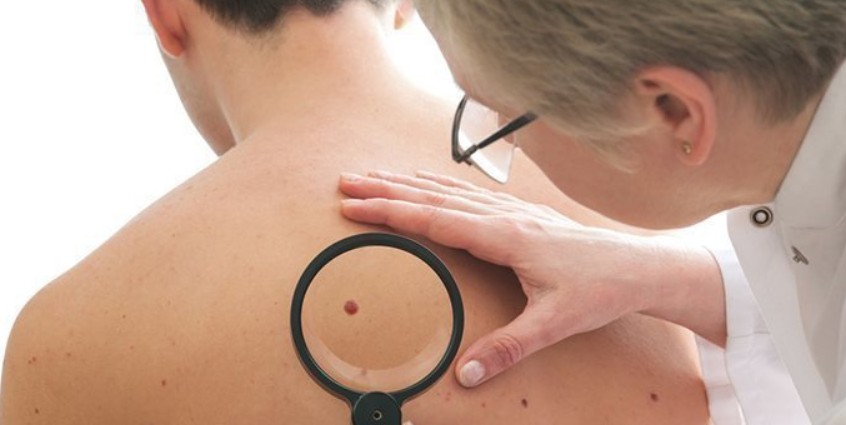
For a Botox consultation, the doctor will look at your facial muscles and skin. They’ll explain where they recommend injections and why. You can ask about results, how long they last, and what the recovery is like. The actual treatment can happen the same day if you’re ready. For skin cancer screenings, the doctor will examine your skin carefully. They might use a special magnifying tool called a dermatoscope. If they find something suspicious, they may do a biopsy. This involves taking a small sample of skin to test in a lab. The results usually come back within a week or two. Throughout your visit, feel free to ask questions. Good doctors want you to feel informed and comfortable. They’ll create a treatment plan that works for your needs and your life.
Taking Care of Your Skin at Home
Professional treatments are important, but what you do at home matters too. Protecting your skin from sun damage is the single best thing you can do. Use sunscreen every day, even when it’s cloudy. Choose a broad-spectrum formula with SPF 30 or higher. Apply it to all exposed skin, including your face, neck, and hands. Reapply every two hours if you’re outside. Wear protective clothing like hats and long sleeves when possible. Seek shade during peak sun hours between 10 AM and 4 PM. These simple steps prevent both premature aging and skin cancer.
Check your skin regularly at home. Once a month, look at your entire body in a mirror. Use a hand mirror to see hard-to-reach spots like your back and scalp. Note any new moles or changes to existing ones. Take photos of suspicious spots so you can track changes over time. If something looks off, don’t wait. Call your dermatologist and schedule an appointment. Also, maintain a good skincare routine. Cleanse gently, moisturize daily, and avoid harsh products that irritate your skin. Eat a healthy diet rich in fruits and vegetables. Stay hydrated by drinking plenty of water. Don’t smoke, as it damages your skin and increases cancer risk. These habits support the professional treatments you receive and keep your skin healthy for years to come.
Understanding Treatment Costs and Insurance
Cost is a real concern for many people considering dermatology treatments. Botox is a cosmetic procedure, so insurance typically doesn’t cover it. You’ll pay out of pocket based on the number of units used and the areas treated. Prices vary by location and provider. During your consultation, ask for a clear estimate so you know what to expect. Many practices offer payment plans or financing options to make treatments more affordable. Some also run specials or discounts at certain times of the year. Joining a practice’s loyalty program might save you money on future treatments.
Skin cancer screenings and treatments often have insurance coverage. Most plans cover annual skin checks, especially if you have risk factors like a family history or previous skin cancer. Treatment for diagnosed skin cancer is considered medical care and is usually covered. However, your out-of-pocket costs depend on your specific plan, deductible, and copays. Before your appointment, call your insurance company to understand your coverage. The dermatology office can also help by checking your benefits and submitting claims. If cost is a barrier, talk to your doctor. They might suggest more affordable treatment options or help you find financial assistance programs. Don’t let money stop you from getting necessary care, especially for potential skin cancer.
Real Patient Experiences and Results
Hearing from people who’ve been through these treatments can help you decide if they’re right for you. Many patients say Botox gave them a confidence boost. They like looking refreshed without appearing overdone or fake. One patient mentioned that friends noticed she looked rested but couldn’t figure out what changed. That subtle improvement is exactly what many people want. Results vary based on your age, skin condition, and the skill of your injector. Realistic expectations matter. Botox won’t completely stop aging or give you someone else’s face. It smooths existing lines and prevents new ones from forming as quickly.
For skin cancer patients, early detection stories often have happy endings. People who found a suspicious spot and got it checked right away usually had simple treatment and full recovery. Others who waited saw their cancer grow larger or spread, requiring more extensive surgery. These experiences highlight why regular skin checks matter so much. Even if you’re nervous about what a doctor might find, knowing is always better than not knowing. Treatment options continue to improve, and survival rates for skin cancer are high when caught early. Patients often express relief and gratitude after treatment. They feel empowered knowing they took action to protect their health. Whether you’re considering cosmetic treatment or medical care, talking to others who’ve been there provides valuable insight.
Making Your Decision and Next Steps
You’ve learned about botox treatment in Orange CA and skin cancer treatment options in Irvine CA. Now it’s time to decide what’s right for you. Start by thinking about your goals. Do you want to address specific wrinkles that bother you? Are you worried about spots on your skin? Do you have a family history of skin cancer? Your answers will guide your next steps. If you’re interested in Botox or similar treatments, schedule a cosmetic consultation. If you need a skin check or noticed something concerning, book a medical appointment. Sometimes you might need both types of visits.
Research the providers in your area. Look for board-certified dermatologists with good reviews and plenty of experience. Coastal Dermatology & Plastic Surgery serves the Orange County area with multiple convenient locations. Their team has the training and expertise to handle both cosmetic and medical dermatology needs. Call their office to schedule a consultation. Come prepared with questions and concerns. Be open about your expectations and any worries you have. A good dermatologist will listen, educate, and work with you to create a plan. Remember, taking care of your skin is an investment in yourself. Whether you’re focused on looking your best or staying healthy, professional dermatology care makes a real difference. Don’t put it off. Your skin deserves expert attention, and you deserve to feel confident and healthy in it.