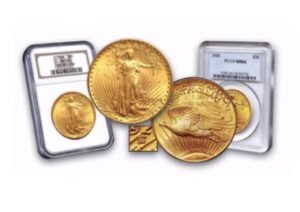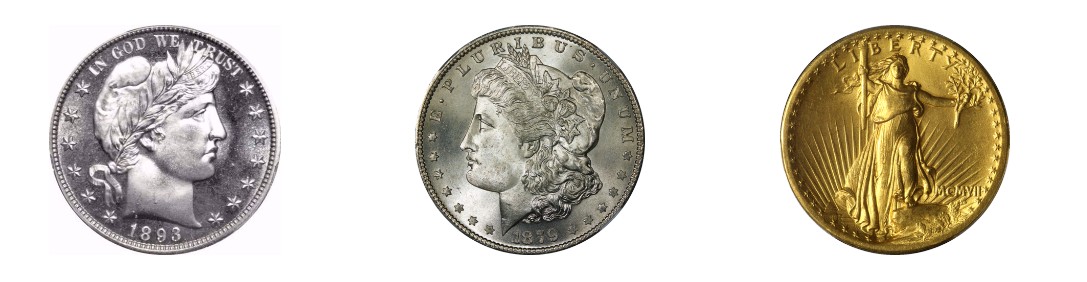
When you hear the term “junk silver,” don’t let the name fool you. These coins carry real value that goes beyond their worn appearance. The phrase buy rare junk silver might sound unusual to new investors, but seasoned collectors know exactly what treasure lies in these pre-1965 coins. The market for rare junk silver for sale has grown substantially in recent years as investors seek affordable ways to own physical silver. These are authentic United States coins that contain 90% pure silver content, minted before the government changed the composition to cheaper metals. Unlike commemorative coins or modern bullion, junk silver offers a practical entry point for anyone wanting to hold precious metals without paying high premiums.
The silver market in 2026 has seen remarkable growth. Prices surged to record levels, with silver jumping from under $30 per ounce in early 2025 to over $110 in early 2026. This represents a gain of more than 65% in just one month. Financial institutions like Citi now predict silver could reach $150 per ounce later this year. For investors who want exposure to this rally without breaking the bank, junk silver provides the perfect solution. These coins contain the same precious metal as expensive proof sets or graded specimens, but you pay less for them because their value comes from silver content rather than collector appeal.
What Exactly Is Junk Silver and Why Does It Matter
Junk silver refers to common date US coins minted in 1964 or earlier that contain 90% silver. The term “junk” doesn’t mean worthless. It simply indicates these coins have no special numismatic value beyond their metal content. Before 1965, the US Mint used real silver to produce dimes, quarters, half dollars, and silver dollars. After 1965, they switched to copper-nickel clad coins to reduce costs. The pre-1965 coins you find today represent the last era when American pocket change contained precious metals.
Each dollar of face value in these 90% silver coins contains roughly 0.715 troy ounces of pure silver. So a bag of coins with $100 face value holds about 71.5 ounces of silver. This makes the math simple when calculating value based on spot price. If silver trades at $100 per ounce, that $100 face value bag contains about $7,150 worth of silver. The actual purchase price includes a small premium above the metal value to cover dealer costs and profit.
The beauty of junk silver lies in its authenticity and recognizability. These coins were produced by the US government and carry designs that Americans know. A walking liberty half dollar or a mercury dime needs no certificate of authenticity. Anyone can verify the date and know it contains silver. This universal recognition makes junk silver highly liquid. You can sell it anywhere precious metals are bought, and buyers immediately understand what they’re getting.
Why Smart Investors Choose Junk Silver Over Other Options
Several practical reasons explain why junk silver remains popular among both new and experienced investors. First, the premiums stay lower compared to modern bullion products. When you buy a brand new American silver eagle, you might pay $5 to $10 over spot price per ounce. With junk silver, premiums typically run $2 to $4 per ounce. This difference adds up quickly when building a substantial position.
Second, junk silver comes in small denominations perfect for bartering or selling in pieces. A one-ounce silver round represents significant value if silver prices stay elevated. But a single dime or quarter gives you flexibility. You can sell just what you need rather than being forced to liquidate an entire ounce at once. This divisibility makes junk silver practical for everyday transactions if paper currency ever faces serious problems.
Third, the supply of junk silver keeps shrinking. No one mints more pre-1965 coins. They’ve been melted down for decades as silver prices rose. The remaining supply becomes scarcer each year, which should support long-term value. Unlike modern bullion where mints can increase production to meet demand, junk silver has a fixed and declining supply.
Fourth, junk silver requires no special storage considerations. These coins already show wear from circulation. You don’t need to worry about scratches or handling marks reducing their value. Toss them in a safe or safety deposit box without concern. This casual storage requirement makes junk silver user-friendly for people who want precious metals but don’t want to fuss with protective capsules and perfect preservation.
How to Evaluate Quality When Shopping for Junk Silver
Not all junk silver offers equal value. Learning to assess what you’re buying helps ensure you get fair deals. The first factor to check is the actual silver content. Standard junk silver should be US coins dated 1964 or earlier. Inspect dates carefully to avoid getting 1965 or newer coins mixed into your purchase. Reputable dealers sort carefully, but mistakes happen.
The second consideration involves wear and readability. Extremely worn coins might have dates that are hard to verify or designs that are nearly smooth. While the silver content remains the same regardless of wear, you want coins where the date is at least visible. This proves they’re pre-1965 and makes resale easier since buyers can confirm authenticity.
Some dealers sell what they call “cull” coins at slightly lower prices. Culls show heavy wear, damage, or cleaning that makes them less desirable. They still contain silver but look rough. If you’re purely buying for metal content and don’t care about appearance, culls can save you a bit of money. However, standard circulated coins usually offer better resale potential.
Watch for coin types that might have extra value beyond silver content. Certain dates, mint marks, or varieties carry numismatic premiums. For instance, some 1964 Kennedy half dollars sell for more than their silver value to collectors. If you spot potentially valuable varieties in your junk silver, consider getting them appraised separately. You might have found a coin worth significantly more than its weight in silver.
Where to Find Reputable Dealers for Your Purchase
Choosing where to buy makes a huge difference in your experience and the quality of coins you receive. Park Avenue Numismatics stands out as a trusted source with over 30 years of experience in the precious metals industry. This established dealer offers authentic pre-1965 silver coins with transparent pricing and secure transactions. Their decades of operation demonstrate reliability in an industry where reputation matters enormously.
When shopping for junk silver, look for dealers who specialize in precious metals rather than general online marketplaces. Specialized dealers understand the product, grade coins accurately, and price fairly. They also handle shipping properly to prevent damage or loss. Park Avenue Numismatics provides the knowledge and professionalism that comes from three decades of helping clients build precious metals portfolios.
Online dealers offer convenience and often competitive pricing since they have lower overhead than physical shops. However, verify their credentials before ordering. Check for membership in professional organizations like the Professional Numismatists Guild or the American Numismatic Association. Read customer reviews on independent platforms to see how the dealer treats buyers. Look for clear return policies and satisfaction guarantees.
Local coin shops provide the advantage of seeing products before buying. You can examine coins in person and develop relationships with dealers in your area. However, local shops sometimes charge higher premiums due to their operating costs. Compare prices between local and online options to ensure you’re getting reasonable deals.
Pricing Considerations and What You Should Expect to Pay
Understanding how junk silver is priced helps you evaluate whether you’re getting fair deals. The base value always starts with the spot price of silver multiplied by the actual silver content. For 90% silver coins, each dollar of face value contains 0.715 troy ounces. If silver trades at $100 per ounce, the silver value of $1 face value equals $71.50.
Dealers add a premium to cover their costs and profit margin. Premiums on junk silver currently range from 5% to 15% over the silver value, depending on market conditions and coin availability. During times of high demand or tight supply, premiums climb. When silver prices spike rapidly like they did in early 2026, premiums often increase as dealers struggle to restock inventory.
Payment method affects your total cost. Dealers typically offer better prices for checks or wire transfers compared to credit cards. Credit card processing fees run 3% to 4%, and dealers pass these costs to buyers. If you’re making a large purchase, using a check or bank wire can save significant money.
Quantity matters too. Buying in larger amounts usually reduces your per-ounce cost. A dealer might charge a 12% premium for $100 face value but only 8% for $1,000 face value. If you plan to acquire substantial amounts, consider buying in bulk to maximize value.
Shipping and insurance add to your total investment. Most dealers charge shipping fees based on order size and speed. Insurance protects against loss or damage during transit but adds a percentage to your cost. Factor these expenses into your calculations when comparing prices between sellers.
Storage and Security for Your Silver Investment
Once you own junk silver, storing it safely becomes your responsibility. These coins don’t require the careful handling that proof coins need, but you still want to protect them from theft or loss. Many investors keep smaller amounts at home in a safe or hidden location. For larger holdings, bank safety deposit boxes provide secure storage at modest annual cost.
Home storage gives you immediate access but carries risks. If someone breaks into your house, precious metals are obvious targets. A good quality safe bolted to the floor offers reasonable protection for moderate amounts. Avoid telling people about your silver holdings since word gets around and attracts unwanted attention.
Safety deposit boxes at banks cost between $50 and $200 per year depending on size and location. They provide excellent security and insurance coverage. The downside is limited access during bank hours and the small risk that government could restrict access during extreme financial emergencies. Most investors find safety deposit boxes worth the modest expense for holdings worth thousands of dollars.
Some people split their holdings between home and bank storage. They keep enough at home for quick access or emergency situations and store the bulk in a safety deposit box. This strategy balances security with accessibility.
Insurance is worth considering for larger collections. Homeowners insurance typically has low limits for precious metals, often just $1,000 or $2,000. Specialized collectibles insurance can cover your actual holdings but costs more. Evaluate whether the insurance premium makes sense based on your total investment and risk tolerance.
Making Your First Purchase With Confidence
Taking the first step into junk silver investing feels intimidating if you’ve never bought precious metals before. Start small to gain experience before committing large amounts. Order $50 or $100 face value to see how the process works and examine the coins you receive. This modest initial purchase lets you evaluate the dealer and product quality without major financial risk.
When placing your order, ask questions if anything seems unclear. Reputable dealers like Park Avenue Numismatics employ knowledgeable staff who can explain products and answer concerns. Don’t hesitate to call or email before ordering. Good dealers want educated customers and welcome questions.
Document your purchase with receipts and records. Keep track of what you paid, when you bought, and current market prices. This documentation helps you understand your investment performance and proves ownership if needed for insurance or estate purposes.
Inspect your coins when they arrive. Open packages carefully and examine the contents against your order confirmation. Count face value totals and spot-check dates to verify everything is pre-1965. Contact the dealer immediately if you notice any problems or discrepancies.
Handle coins by the edges rather than the faces to avoid adding fingerprints or oils. While junk silver already shows wear and handling marks don’t hurt value significantly, good habits protect your investment. Store coins in containers that prevent moisture exposure since silver can tarnish in humid conditions.
Long-Term Strategy and When to Consider Selling
Junk silver works best as a long-term hold rather than a short-term trade. Transaction costs from dealer premiums and potential sales commissions eat into profits if you buy and sell frequently. Think of junk silver as insurance and wealth preservation rather than a get-rich-quick scheme.
Silver prices fluctuate significantly in the short term but tend to maintain or increase purchasing power over decades. When paper currencies lose value through inflation, physical silver protects wealth. This makes junk silver particularly attractive during periods of monetary uncertainty or rising inflation rates.
Consider your selling strategy before you buy. Know at what price you’d be happy to take profits. If silver reaches your target, selling part of your position and keeping the rest makes sense. This approach locks in gains while maintaining exposure to further appreciation.
The best time to sell depends on your financial situation and market conditions. If you need cash for emergencies or opportunities, junk silver provides liquid assets you can convert quickly. During price spikes when premiums expand, selling captures maximum value. After major rallies, taking some profits and waiting for pullbacks to reinvest can improve long-term returns.
Remember that selling triggers tax consequences. The IRS treats physical silver and gold as collectibles subject to a 28% maximum tax rate on gains. Holding periods matter too, with sales after more than one year qualifying for this collectibles rate while shorter holds face ordinary income rates. Consult a tax professional to understand your specific situation.
Final Verdict on Junk Silver as an Investment
Junk silver deserves serious consideration from anyone building wealth or protecting assets. These unassuming pre-1965 coins offer genuine silver content at reasonable prices. The combination of affordability, recognizability, liquidity, and declining supply creates compelling value. Unlike paper assets that depend on someone’s promise to pay, physical silver represents tangible wealth you control directly.
The investment case for junk silver strengthens during times like 2026 when silver prices surge and economic uncertainty rises. These coins give you exposure to silver’s price appreciation without the high premiums charged for modern bullion products. Their small denominations provide flexibility that large bars and rounds cannot match.
Working with experienced dealers makes the process straightforward and secure. Park Avenue Numismatics brings over three decades of expertise to help investors acquire authentic precious metals with confidence. Their commitment to customer privacy and satisfaction sets them apart in an industry where trust and reputation matter greatly.
Whether you’re just starting to explore precious metals or expanding an existing portfolio, junk silver offers practical benefits worth serious attention. The current silver market presents opportunities for those who act thoughtfully and choose quality dealers for their purchases. Start with modest amounts to learn the process, then scale your holdings based on your financial goals and comfort level. These historic coins connect you to American monetary history while providing real value in an uncertain economic future.