
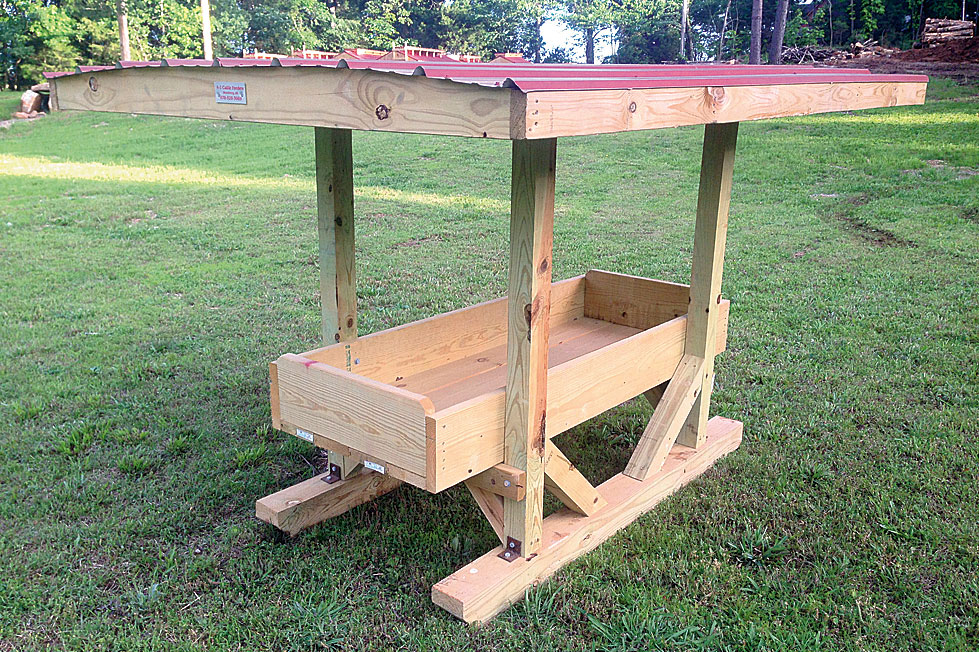
Proper nutrition is the cornerstone of a healthy and productive herd. While pastures provide most of the nutrients cattle need, mineral supplementation is essential to ensure optimal growth, reproduction, and overall herd health. That’s where cattle mineral feeders come into play. But with so many options on the market, how can ranchers choose the right ones? In this guide, we’ll explore the best mineral feeders, highlight important features, and offer tips every rancher should know.
Why Are Mineral Feeders Important for Cattle?
You might wonder, “Why not just scatter minerals on the ground?” While it’s tempting, free-choice minerals can lead to inconsistent intake, wastage, and even contamination. Proper cattle mineral feeders provide:
• Controlled access: Ensures each animal consumes the correct amount.
• Protection from the elements: Shields minerals from rain, wind, and moisture.
• Durability: Stands up to the wear and tear of livestock activity.
• Hygiene: Keeps minerals clean and free from contamination.
In short, a good feeder promotes efficiency, reduces waste, and safeguards herd health.
What Types of Cattle Mineral Feeders Are There?
There’s no one-size-fits-all when it comes to mineral feeders. Ranchers should consider herd size, cattle behavior, and pasture layout. Here are the most common types:
1. Trough-Style Feeders
• Open troughs are simple and allow multiple animals to feed at once.
• Best for smaller herds or supplemental feeding.
• Easy to clean and refill.
2. Cone-Style Feeders
• Designed to prevent overconsumption and spillage.
• Ideal for minerals that clump in humid conditions.
• Often elevated to reduce contamination from dirt or manure.
3. Hopper Feeders
• Great for large herds.
• Minimize waste with gravity-fed distribution.
• Often covered to protect minerals from rain.
How Do Sheep Gates and Highland Chutes Improve Feeding Efficiency?
You might not immediately link sheep gates and highland chutes to mineral feeders, but these tools are essential in managing herd feeding:
• Sheep gates: Useful for controlling livestock access to feeders, preventing overcrowding, and reducing aggressive behavior.
• Highland chutes: Allow for safe and organized handling of cattle while ensuring each animal gets its share of minerals.
• Sheep handling equipment: Includes panels, sorting systems, and restraining devices that make feeding and health checks safer and more efficient.
Using the right handling equipment ensures that mineral feeders are used efficiently and that all animals get the nutrients they need.
Tips for Choosing the Right Mineral Feeder
Selecting the best feeder can make a huge difference. Consider the following:
Material Matters
Steel, polyethylene, and wood are common materials. Steel is durable, polyethylene resists weather, and wood is economical but less durable.
Size and Capacity
Match the feeder to herd size. Too small, and animals fight; too large, and minerals may go stale.
Ease of Cleaning
Feeders need regular maintenance. Choose designs that allow easy washing and disinfecting.
Weather Protection
Covered feeders or those with roofs protect minerals from rain, snow, and sun, maintaining their potency.
Accessibility
Ensure cattle can comfortably reach minerals without overcrowding, stress, or risk of injury.
Where to Find Mineral Feeders for Sale
Ranchers have plenty of options when looking for mineral feeders for sale. Popular avenues include:
• Local farm supply stores: Inspect feeders in person and get immediate advice.
• Online retailers: Often offer a wider selection, customer reviews, and shipping options.
• Specialized livestock suppliers: Focus on quality feeders designed for specific herd sizes and livestock types.
Always compare features, durability, and cost before making a purchase. Remember, investing in a high-quality feeder can save money by reducing mineral waste and improving herd health.
Maintenance Tips for Long-Lasting Feeders
Even the best feeder requires care. Follow these tips to extend its lifespan:
• Inspect feeders monthly for rust, cracks, or damage.
• Clean every few weeks to remove old, clumped, or moldy minerals.
• Refill gradually to prevent overflow and spillage.
• Keep feeder areas dry to reduce mud buildup and contamination.
Proper maintenance ensures your feeder lasts longer and continues to deliver consistent nutrition.
Signs Your Herd Needs Mineral Supplementation
Knowing when to use feeders is as important as choosing them. Watch for these signs:
• Slow growth or low weight gain
• Poor coat quality or hair shedding issues
• Low fertility or weak calves
• Unexplained health problems
Mineral supplementation supports overall herd wellness and prevents deficiencies that can compromise productivity.
Frequently Asked Questions About Cattle Mineral Feeders
Q: Can mineral feeders be used for sheep too?
Yes! Many feeders are versatile, and combined with sheep gates and sheep handling equipment, they can efficiently serve multiple livestock types.
Q: How often should I refill feeders?
Check daily during peak grazing seasons. Refill before minerals run out to prevent overconsumption when access is restored.
Q: Are there feeders designed for extreme weather?
Absolutely. Heavy-duty, weatherproof feeders protect minerals from rain, wind, and snow, ensuring year-round supplementation.
Conclusion
Cattle mineral feeders are more than just containers—they are critical tools in promoting herd health, efficiency, and productivity. Choosing the right feeder involves understanding herd needs, selecting durable and weather-resistant designs, and integrating essential tools like sheep gates, highland chutes, and sheep handling equipment to manage feeding effectively. By investing in quality feeders and maintaining them properly, ranchers can ensure their herd gets consistent nutrition while minimizing waste.
If you’re exploring mineral feeders for sale, focus on durability, accessibility, and the ability to integrate with your existing handling systems. With the right approach, mineral supplementation becomes a seamless, stress-free part of your ranch management, benefiting both your livestock and your bottom line.

