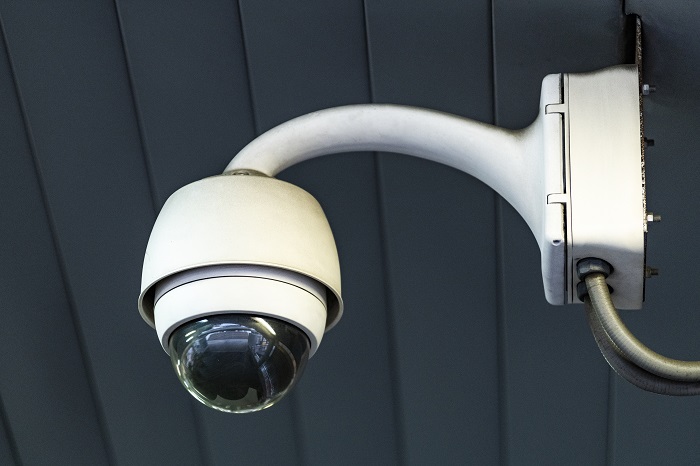
In the world of surveillance, technological advancements have birthed a myriad of camera types, each bringing its unique features and benefits to the table. However, the debate often narrows down to two primary players: analogue CCTV cameras and IP CCTV cameras. While both serve the fundamental purpose of providing visual surveillance, their technical functionalities, and advantages differ.
Understanding the Basics
Analogue CCTV Camera
Traditional analogue cameras capture images and then convert them into a format that can be received and displayed on a monitoring system, such as a television. These cameras require a direct connection to a recording device or monitor through coaxial cables.
IP CCTV Camera
IP stands for ‘Internet Protocol.’ IP cameras capture images in the same way as an analogue camera but compress and convert them into data. This data can then be transmitted via an internet connection or LAN (Local Area Network).
Key Differences
Resolution: One of the most noticeable differences between analogue and IP cameras is the image quality. IP CCTV camera generally, offer higher resolution and capture more details than their analogue counterparts. An IP camera’s resolution is measured in megapixels, whereas analogue cameras are measured in TV lines.
Installation & Wiring: Analogue cameras typically require coaxial cables to connect to a DVR (Digital Video Recorder). IP cameras, on the other hand, use PoE (Power over Ethernet) through a network cable, allowing both power and data to be transmitted using one cable. This makes the installation of IP cameras simpler and less cluttered.
Cost: Initially, IP cameras tend to be more expensive than analogue cameras. However, considering the advantages of higher resolution, scalability, and easier installation, the overall cost-benefit analysis may favor IP cameras in the long run.
Flexibility & Scalability: IP systems are generally more scalable. You can easily add more cameras to the network without being constrained by the number of ports on your DVR, as is the case with analogue systems.
Remote Monitoring: One of the standout features of IP cameras is their ability to be monitored remotely. Users can view live footage from any device with internet access, such as smartphones or laptops. While this is possible with analogue cameras, it often requires additional equipment and setup.
Storage: Analogue systems require DVRs for storage, and there’s a limit to how much you can store. IP cameras can store footage in any geographical location, including on NVRs (Network Video Recorders), cloud-based storage, or even on onboard SD cards.
Integration & Features: IP cameras can easily integrate with other security systems and often come with advanced features such as motion detection, facial recognition, and more. Analogue cameras, being older technology, may not support these features or might require additional devices to do so.
Which One Should You Choose?
Both analogue and IP CCTV cameras have their pros and cons. If you’re working with a limited budget and require basic surveillance, an analogue system might be right for you. However, if you’re looking for advanced features, better image quality, and future scalability, investing in IP cameras would be a wise choice.
In conclusion, the decision between analogue and IP CCTV cameras boils down to your specific requirements and budget. With technological advancements on the rise, the gap in pricing is decreasing, making IP cameras more accessible to the average consumer. However, understanding the key differences, as highlighted above, will help you make an informed decision tailored to your needs. Regardless of your choice, prioritizing safety and security is paramount, and both these systems serve to enhance it in their unique ways.