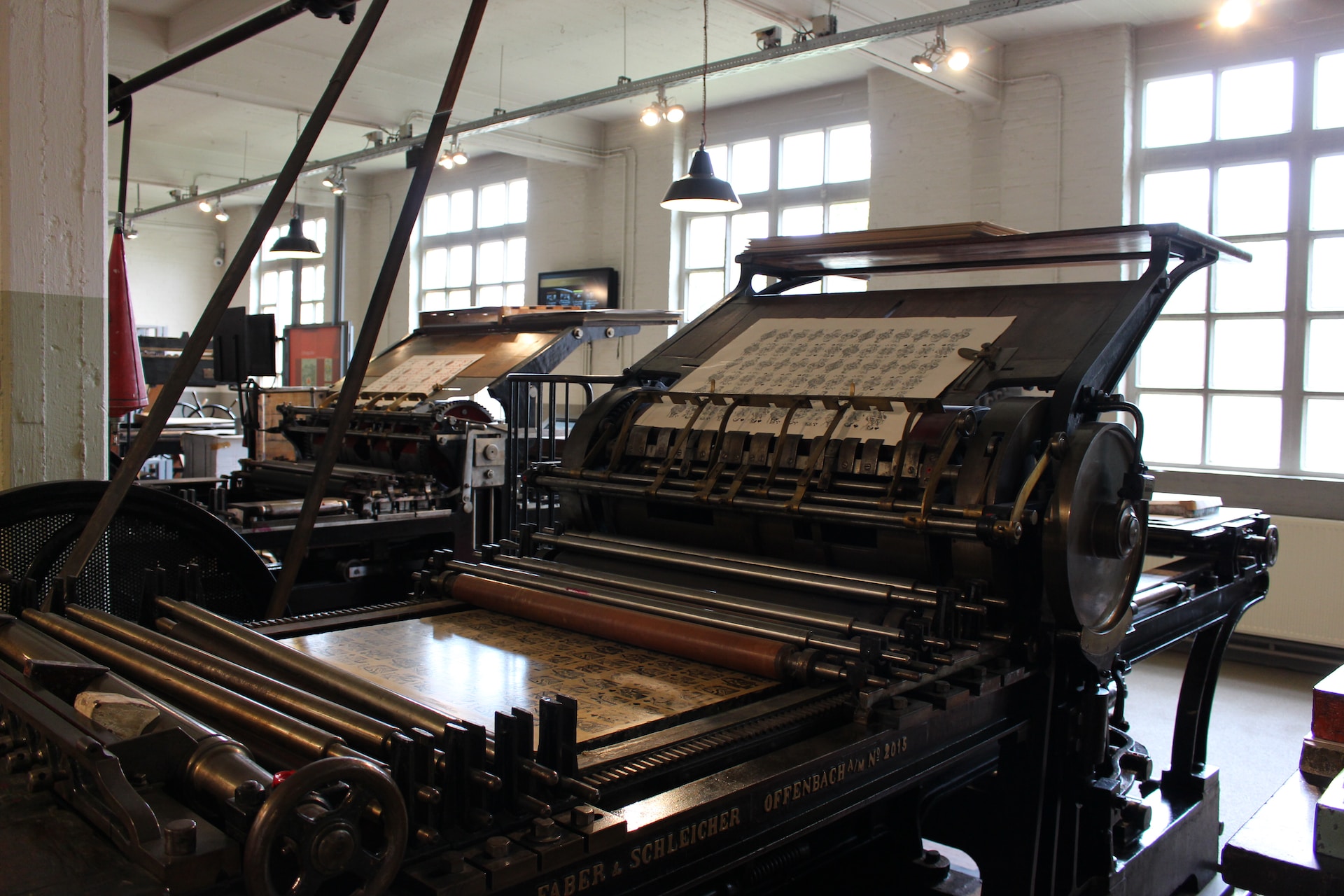
Printing technology has come a long way since the days of Gutenberg’s revolutionary invention of the printing press in the 15th century. In today’s digital age, the process of bringing pixels to paper has become a sophisticated art and science. Let’s embark on a journey to understand this fascinating world of printing technology and how it has evolved over the centuries.
The Digital Age | From Pixels to Print
In the digital age, the transition from digital content, often represented as pixels on a screen, to the tangible realm of print has become seamless. This transformation involves a series of intricate steps that convert electronic files into beautifully printed documents, images, and more. Understanding this process is essential for anyone looking to produce high-quality printed materials.
Types of Printing Techniques
Printing isn’t a one-size-fits-all operation. Various techniques exist, each with its unique advantages and applications. Offset printing, digital printing, and screen printing are just a few examples of the diverse array of methods used in the industry. Choosing the right technique for a particular project can significantly impact the final result.
Ancient Printing Techniques
Before delving deeper into modern printing methods, it’s worth taking a moment to appreciate the historical significance of Ancient Printing Techniques. Long before the advent of the printing press, civilizations like the Chinese were using woodblock printing to reproduce texts and images. This precursor to modern printing laid the foundation for the revolutionary changes we see today.
Color Models and Calibration
Printing in vibrant and accurate colors is crucial for creating visually stunning materials. Understanding color models, such as RGB (Red, Green, Blue) and CMYK (Cyan, Magenta, Yellow, Key/Black), is fundamental. Calibration ensures that the colors you see on your screen are faithfully replicated on paper, a critical consideration in the printing process.
Resolution and Image Quality
The quality of images in printed materials depends on resolution. Dots per Inch (DPI) play a significant role in determining the sharpness and clarity of printed images. Proper image resolution and optimization are essential for achieving the desired print quality.
Paper Selection and Quality
Choosing the right paper is often an underestimated aspect of the printing process. Different paper types, weights, and finishes can significantly influence the look and feel of your final product. Factors such as durability, texture, and opacity all come into play when selecting the perfect paper for your project.

Prepress Preparation
Before the printing presses roll, there’s a crucial stage called prepress preparation. This involves ensuring that digital files are correctly formatted and ready for printing. It’s during this phase that proofing takes place, helping catch errors and make necessary adjustments before the ink hits the paper.
Printing Equipment and Techniques
Modern printing relies on a range of sophisticated machinery and techniques. From the precision of offset printing to the versatility of digital printing, each method has its strengths. Understanding how these techniques work can help you make informed decisions when embarking on a printing project.
Finishing and Binding
The journey from pixels to paper doesn’t end with the printing itself. Post-printing processes, such as cutting, folding, and binding, add the finishing touches to your materials. These steps play a crucial role in delivering a polished and professional final product.
Environmental Considerations
In an era of heightened environmental awareness, sustainable printing practices have gained prominence. Using eco-friendly materials, responsible ink choices, and minimizing waste are all part of the efforts to reduce the environmental impact of the printing industry.
Common Printing Challenges and Solutions
Despite technological advancements, printing can still pose challenges. Color discrepancies, misalignment, and paper jams are common issues that can disrupt the printing process. It’s essential to be aware of these challenges and have strategies in place to address them effectively.
Future Trends in Printing
As technology continues to advance, the printing industry isn’t standing still. Emerging trends like 3D printing, personalized printing, and innovative materials are shaping the future of printing. Staying informed about these developments can open up exciting possibilities for your printing projects.
Conclusion
In conclusion, understanding the printing process, from pixels to paper, is a valuable skill in today’s digital age. From the historical roots of ancient printing techniques to the cutting-edge innovations of modern printing technology, this journey is a testament to human creativity and ingenuity. Whether you’re a business owner, designer, or simply someone curious about the world of printing, this knowledge empowers you to make informed decisions and achieve exceptional results in your print projects.
By acknowledging the historical significance of “Ancient Printing Techniques,” we can truly appreciate how far the industry has come and where it might be headed in the future. As technology continues to evolve, one can only imagine the exciting possibilities that lie ahead in the world of printing.