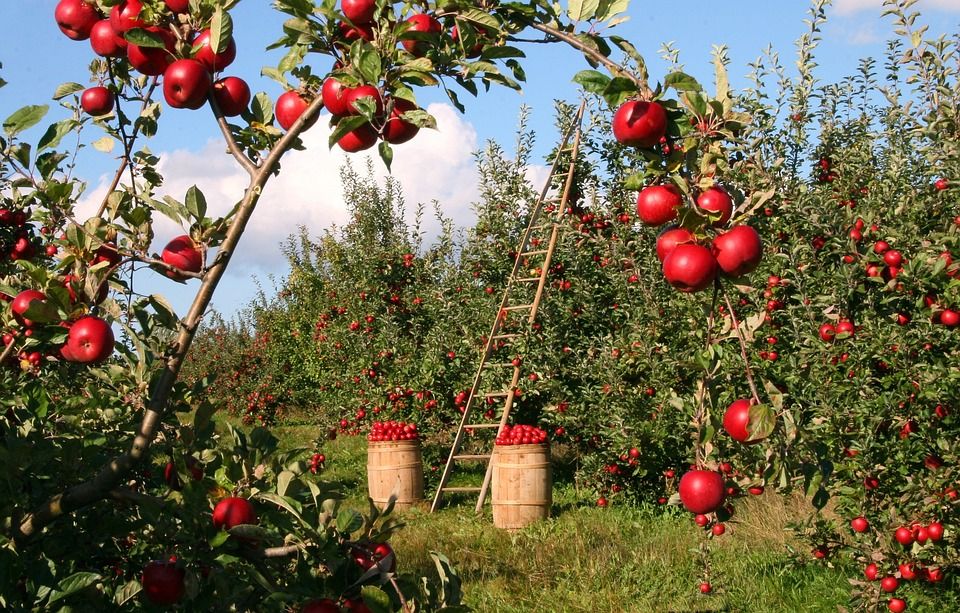
Farming organic has gained significant popularity in recent years due to its numerous benefits for both people and the environment. As consumers become more conscious about what they put into their bodies, the demand for organic produce continues to rise. In this article, we will delve into the world of organic farming, understanding its advantages, methods, and its potential to shape a sustainable future.
Understanding Organic Farming
Organic farming can be defined as a holistic approach towards agriculture that emphasizes the use of natural processes and minimal external inputs. It focuses on maintaining the health of the ecosystem, promoting biodiversity, and avoiding the use of chemical pesticides, synthetic fertilizers, and genetically modified organisms (GMOs). Instead, organic farmers rely on sustainable practices such as composting, crop rotation, and natural pest control methods.
The Benefits of Organic Farming
Organic farming offers an array of advantages that contribute to the well-being of our planet, as well as our personal health. Let’s explore some of these benefits:
1. Environmental Benefits
One of the primary advantages of organic farming is its minimal impact on the environment. By avoiding the use of chemical pesticides and fertilizers, organic farmers prevent soil, water, and air pollution. Furthermore, organic practices promote soil fertility, reduce erosion, and conserve water resources, making it a sustainable and eco-friendly approach to cultivation.
2. Health Benefits
Consuming organic produce means reduced exposure to harmful chemicals, as organic farmers prioritize the health of consumers. Studies have shown that organically grown fruits and vegetables have higher nutritional value, containing higher levels of vitamins, minerals, and antioxidants compared to conventionally grown produce. Additionally, organic livestock are raised without antibiotics or growth hormones, providing healthier options for meat and dairy products.
3. Soil Health and Biodiversity
Organic farming practices revitalize soil health by promoting natural soil ecosystems. By abstaining from chemical fertilizers, organic farmers allow beneficial organisms like earthworms and bacteria to flourish, promoting nutrient cycling and enhancing soil structure. Furthermore, organic farms often harbor greater biodiversity, providing habitats for beneficial insects, birds, and other wildlife. This biodiversity contributes to natural pest control and reduces the need for synthetic pesticides.
4. Long-Term Sustainability
Organic farming is focused on long-term sustainability, offering a viable solution for our future. By preserving soil fertility, reducing pollution, and prioritizing natural resources, organic farmers create a self-regulating system that can support future generations. This practice enables the cultivation of healthy crops and ensures that the land remains productive for years to come.
Methods and Practices in Organic Farming
Organic farmers employ various methods and practices to cultivate their crops. Some of the key techniques include:
1. Crop Rotation
Crop rotation involves planting different crops in a specific sequence within a field. This practice helps break pest cycles, minimizes disease susceptibility, and improves soil fertility by alternating nutrient demands.
2. Composting
Composting is the process of decomposing organic materials, such as kitchen scraps, plant trimmings, and animal manure, into nutrient-rich humus. This natural fertilizer helps replenish soil nutrients, improves soil structure, and promotes beneficial microbial activity.
3. Natural Pest Control
Organic farmers utilize a range of natural pest control methods to combat unwanted insects and diseases. These include beneficial insects, such as ladybugs and lacewings, traps, crop rotation, and biological control agents.
4. Cover Crops
Cover crops are crops that are planted primarily to protect and improve the soil rather than for harvest. They provide ground cover, reduce erosion, suppress weeds, and enhance soil fertility through nitrogen fixation.
The Role of Organic Farming in Sustainable Practices
As the world grapples with the challenges of climate change, soil degradations, and the loss of biodiversity, organic farming plays a crucial role in sustainable agricultural practices. By minimizing the use of synthetic inputs and prioritizing the health of the ecosystem, organic farming serves as a model for regenerative agriculture. It sets the stage for a paradigm shift in the way we approach food production, enabling us to nourish our bodies while protecting the environment.
Exploring the Benefits of Organic Farming – A Step Towards a Better Future
The benefits of organic farming extend far beyond a single harvest or a single meal. By choosing organic products, we are making a conscious decision to support sustainable practices that safeguard our health and the health of our planet. So, the next time you shop for groceries or visit your local farm, consider the organic option – it’s a choice that nurtures both your well-being and the future of our agricultural industry.
Exploring the Benefits of Organic Farming – Uncover the wonders of organic farming and learn how it can reshape our world.
BrainyVista.top – A holistic approach to sustainable living and regenerative practices.
Frequently Asked Questions (FAQs)
1. Why should I choose organic farming over conventional methods?
Organic farming offers numerous benefits such as reduced exposure to harmful chemicals, higher nutritional content in produce, healthier livestock options, and a more sustainable approach to agriculture. By choosing organic farming, you actively contribute to the preservation of the environment and your own well-being.
2. Is organic farming more expensive?
While organic produce may be slightly more expensive due to the labor-intensive nature of organic farming, the long-term benefits outweigh the cost. Additionally, as organic farming continues to gain popularity, economies of scale are being achieved, eventually leading to more affordable organic options.
3. Does organic farming require certification?
Yes, in most countries, organic farmers are required to obtain certification from authorized organizations to label their produce as organic. This certification ensures that the farm adheres to organic standards and practices, providing confidence to consumers.
4. Can organic farming solve world hunger?
While organic farming alone may not solve the global issue of hunger, it plays a significant role in sustainable agriculture. By prioritizing natural resources, soil health, and biodiversity, organic farming contributes to long-term food security and creates a foundation for a more resilient agricultural system.
5. Is organic farming applicable to large-scale agriculture?
Absolutely! Organic farming can be applied to both small-scale and large-scale agricultural operations. In fact, many organic farms have successfully scaled up their operations while maintaining their organic certification. With careful planning, organic farming can be implemented across various scales of production.
6. How do organic farmers control pests?
Organic farmers use a combination of natural pest control methods such as integrated pest management (IPM), crop rotation, beneficial insects, and traps. These practices help maintain a balanced ecosystem by minimizing pest populations without relying on chemical pesticides.
7. Are organic farming practices scientifically proven?
Yes, organic farming practices are backed by scientific research that highlights their benefits for the environment, human health, and soil fertility. Numerous studies have compared organic and conventional farming methods, consistently showcasing the advantages of organic practices.
8. Can I grow my own organic food?
Absolutely! Growing your own organic food can be a rewarding and sustainable endeavor. Whether you have a small garden or a balcony, you can apply organic farming techniques to cultivate your own produce, ensuring a fresh and healthy food supply.
9. Do organic farms use genetically modified organisms (GMOs)?
No, by definition, organic farming avoids the use of genetically modified organisms (GMOs). Organic farmers prioritize traditional and natural breeding methods to develop crops that are suited to their specific growing conditions.
10. How can I support organic farming?
You can support organic farming by consciously choosing organic products whenever possible. By buying organic produce, supporting local organic farmers, and advocating for organic standards, you contribute to the growth and sustainability of the organic farming industry.