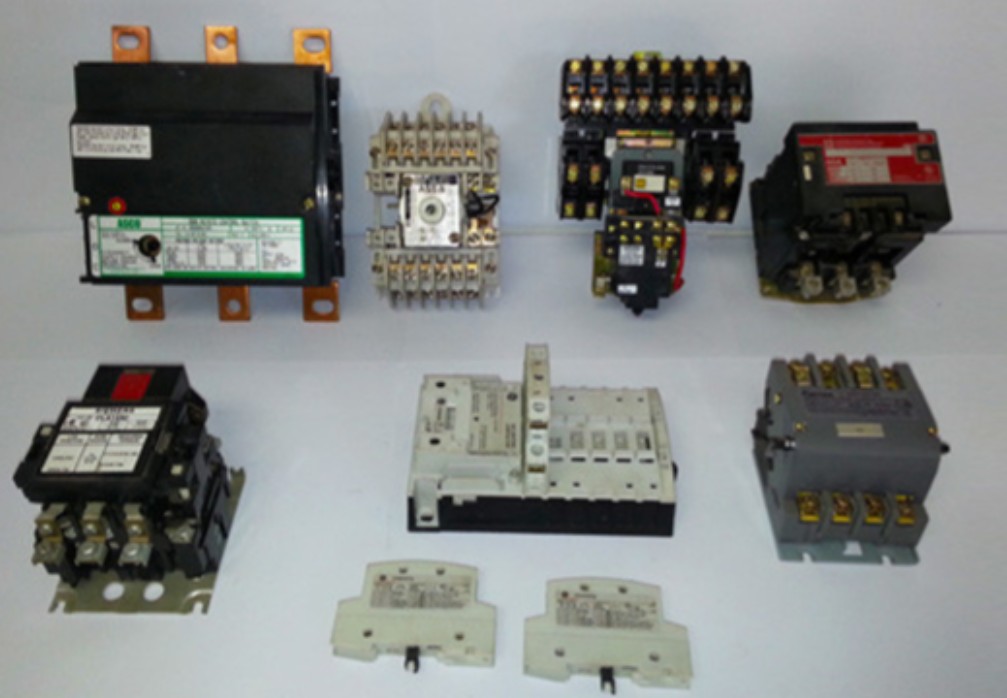
When you manage a factory or a large building, you need reliable gear. Electrical power transformers act as the heart of your system by changing voltage levels to fit your needs. These units work alongside industrial motor controls to ensure your heavy machinery starts and stops safely. If you want your equipment to last, you must understand how these two components interact. Electrical Distribution & Control provides the expertise needed to keep these systems running without a hitch. (Page 1)
What is an Electrical Power Transformer?
An electrical power transformer is a device with no moving parts. It uses magnetic fields to move electricity from one circuit to another. Usually, it changes high voltage from the power lines into a lower voltage your machines can use.
Think of it like a water pressure regulator for your house. You cannot have the city’s high-pressure water hitting your kitchen sink directly. It would break the pipes. A transformer does the same thing for electricity. It steps down the “pressure” so your lights and motors do not blow up.
Electrical Distribution & Control specializes in these high-stakes components. They offer equipment sales and repair services for various industrial electrical needs. You can learn more about their work at https://edc-electrical.com/. (Page 2)
Why You Need Industrial Motor Controls
If the transformer is the heart, the motor control is the brain. You cannot just plug a massive industrial motor into a wall outlet. It would pull too much current and trip every breaker in the building.
Industrial motor controls manage how a motor starts up. They can speed it up slowly to save wear and tear. They also protect the motor from getting too hot. If a jam happens on a conveyor belt, the control shuts the power off instantly. This prevents the motor from burning out. (Page 3)
The Pros of Quality Electrical Power Transformers
-
They allow you to transmit power over long distances with very little waste.
-
You can match the voltage perfectly to what your specific machines require.
-
Modern units are very efficient and often reach over 98 percent efficiency.
-
They provide a layer of isolation between the main power grid and your sensitive gear.
-
Heavy-duty designs can last for decades if you maintain them well. (Page 4)
The Cons of Electrical Power Transformers
-
They are very heavy and require special pads or rooms for installation.
-
They generate heat and need proper cooling or ventilation to stay safe.
-
Oil-filled versions require regular testing to check for leaks or contamination.
-
High-quality units have a high upfront cost compared to cheaper alternatives. (Page 5)
How Motor Controls Improve Your Workflow
Industrial motor controls give you a level of precision that manual switches cannot offer. For example, a Variable Frequency Drive (VFD) lets you change the speed of a pump. This saves energy because you only use the power you actually need.
Without these controls, your motors would run at 100 percent speed all the time. That wastes money and breaks parts faster. Electrical Distribution & Control helps businesses pick the right controls for their specific motors. (Page 6)
Highlights of Modern Industrial Motor Controls
-
Soft starters reduce the “jolt” when a machine turns on.
-
Overload protection prevents expensive motor rewinds.
-
Remote monitoring lets you check motor health from a phone or computer.
-
Energy savings can pay for the control unit in less than two years.
-
They help your facility meet safety codes by providing emergency stop functions. (Page 7)
Challenges with Motor Controls
-
They can be complex to program without the right technical training.
-
Some electronic controls are sensitive to dust and high heat.
-
They can create “noise” in the electrical line that affects other electronics.
-
Repairs often require a specialized technician rather than a general handyman. (Page 8)
How These Two Systems Work Together
You cannot look at an electrical power transformer as a lonely island. It feeds the power that the industrial motor controls then distribute. If your transformer is too small, your motor controls will detect a “voltage drop.” This causes the motors to stall or the controls to trip.
So, you must size them together. If you plan to add a 100-horsepower motor, you must check if your transformer can handle that new load. Electrical Distribution & Control can help you calculate these loads so you don’t stay in the dark. (Page 9)
Tips for Maintenance and Safety
-
Listen for humming sounds. A loud or vibrating transformer might have loose parts inside.
-
Check the temperature. Excess heat is the number one killer of electrical gear.
-
Keep the area clean. Dust on motor controls acts like a blanket and traps heat.
-
Tighten connections annually. Heat cycles cause wires to expand and contract, which loosens lugs.
-
Test the oil in large transformers. This is like getting a blood test for your machine.
-
Look for signs of “pitting” or burns on the contactors inside your motor controls. (Page 10)
The Honest Verdict
Is it worth spending more on high-end electrical power transformers and industrial motor controls? In most cases, yes. Cheap gear often fails during a peak production cycle. That downtime costs much more than the price of a good transformer.
But you don’t always need the most expensive option on the market. Sometimes a refurbished unit from a trusted name like Electrical Distribution & Control is a smart move. It gives you the reliability you need without breaking your budget. (Page 11)
Final Thoughts
Buying industrial electrical equipment is a big step. You want a partner who knows the technical side but talks to you like a person. Whether you need a new electrical power transformer or a suite of industrial motor controls, focus on the long-term value. (Page 12)