
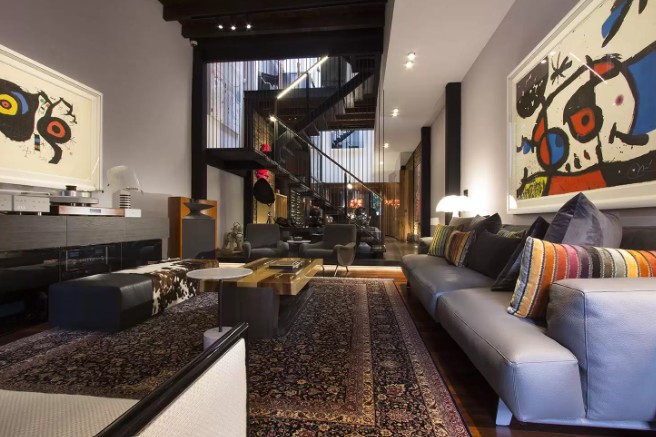
If you’ve been dreaming of a home where you can stretch out, plant a little garden, or build that cozy porch swing, then a landed house in Singapore might be just what you’re looking for. Unlike the more common high-rise apartments and condominiums, landed properties give you that bit of extra space, privacy, and creative freedom.
But before you dive in, there are quite a few things to know—from different types of landed homes to tips on Singapore landed house design. In this friendly and down-to-earth guide, we’ll explore what makes landed houses so appealing, and how you can make the most of your home-building journey.
What Exactly Is a Landed House in Singapore?
Let’s clear up any confusion. A landed house Singapore typically refers to a residential property where the owner also owns the land the house sits on. This is different from condos or apartments, where you own the unit but not the land.
Types of landed homes you’ll find in Singapore:
-
Terrace houses: These are houses built in rows with shared walls, offering compact charm with a private feel.
-
Semi-detached houses: Two houses are joined on one side only, giving you a little more breathing room.
-
Detached or bungalow houses: Standalone properties with full ownership of the surrounding land—offering maximum privacy and space.
-
Cluster houses: These combine landed property living with shared facilities like pools and gyms.
Why Do People Love Landed Homes?
You might be wondering: Why would someone go for a landed home when condos are so common and often come with convenient features?
Here’s why:
-
More space to live and grow: Whether it’s kids, pets, or hobbies, a landed house gives you room to breathe.
-
Freedom in design: Want to build a rooftop garden or extend your kitchen? Singapore landed house design gives you that creative flexibility (with proper permissions, of course).
-
Greater privacy: No shared corridors, no elevator small talk—just you and your space.
-
Potential for future value: With limited land in Singapore, owning land can be a smart long-term investment.
Thinking About Singapore Landed House Design? Here’s Where to Begin
So you’ve decided on a landed house—congratulations! Now comes the fun (and sometimes overwhelming) part: designing your home.
Start with a few key questions:
-
What is your lifestyle like? If you love entertaining, an open living-dining space could be perfect.
-
Do you need flexible rooms? Consider spaces that can double up as a guest room, study, or even a mini gym.
-
How many levels do you want? Think about stairs, elderly family members, or future accessibility.
-
What outdoor features matter to you? A front porch, backyard, or rooftop terrace could be part of your dream setup.
When working on your Singapore landed house design, remember these helpful tips:
-
Go vertical smartly: Land is scarce in Singapore, so it’s common to build upwards. Make sure the staircase placement doesn’t eat up too much space.
-
Natural light and airflow: Use large windows, skylights, or open courtyards to keep your home bright and airy.
-
Green elements: Roof gardens, vertical green walls, or a backyard vegetable patch are more than just trendy—they’re refreshing.
-
Sustainable choices: Consider energy-efficient appliances, solar panels, or rainwater harvesting systems.
Common Mistakes to Avoid with Landed Properties
Even if you’re excited, take a step back and avoid these common hiccups:
-
Overbuilding: Don’t try to use every inch of land—leave room to move, breathe, and enjoy your outdoor space.
-
Ignoring regulations: Singapore has strict URA guidelines for landed homes. Always check zoning, setbacks, and build limits.
-
Rushing the design process: A beautiful landed house takes time. Don’t compromise design quality for speed.
-
Neglecting future needs: Plan for aging parents, growing kids, or even rental opportunities down the line.
Where Can You Find Inspiration?
Not sure how to visualize your future home? Try looking around your own neighborhood or visiting open houses. You can also:
-
Walk through landed housing estates and notice what stands out—roof shapes, balconies, garden ideas.
-
Flip through architecture magazines or design websites with Singapore landed house design features.
-
Think about your childhood home or vacation stays that made you feel relaxed and inspired.
Sometimes, inspiration strikes in the smallest details—like the light falling on a certain type of wooden flooring, or how an entryway makes you feel welcome.
How to Plan Your Budget Wisely
Budgeting for a landed house in Singapore isn’t just about buying the land or property—it also involves design, approvals, materials, and construction timelines.
Here’s how to stay on track:
-
Break down your costs: Land cost, architectural design, approvals, construction, interior design, landscaping.
-
Leave buffer room: Always factor in extra for unexpected issues or last-minute changes.
-
Set clear priorities: Decide what you must have (like good insulation or big bedrooms) versus nice-to-haves (like a jacuzzi or in-built sound system).
-
Phase your upgrades: You don’t have to do everything at once. Focus on the essentials, and add more luxury touches later.
Tips for Making Your Landed House Feel Like Home
A house becomes a home when it reflects you. So once the structure is done, shift your focus to comfort, warmth, and personal touches.
-
Decorate with meaningful art or souvenirs.
-
Use cozy lighting and textured fabrics to make rooms inviting.
-
Build a garden or balcony nook where you can unwind with coffee or a book.
-
Celebrate your first few weeks with a small get-together or even a simple meal with family—it helps mark the beginning of your journey.
Final Thoughts: Is a Landed House in Singapore Worth It?
Absolutely—if you’re ready for the responsibility and the creative joy it brings.
A landed house Singapore isn’t just a type of property. It’s a lifestyle that offers privacy, personality, and room to grow—both literally and emotionally. With the right Singapore landed house design, your home can become your sanctuary.
From planning and dreaming to designing and living, the journey is full of exciting possibilities. If you’re someone who wants to shape your home from the ground up, this could be the best move you ever make.

